

Getting started in linework can get expensive fast.
One guy will tell you to buy every tool you can afford. Another guy will tell you not to bring anything that is not on your apprenticeship, contractor, utility, or local tool list.
The better answer is this: start with the required list, then build your setup as you learn the work.
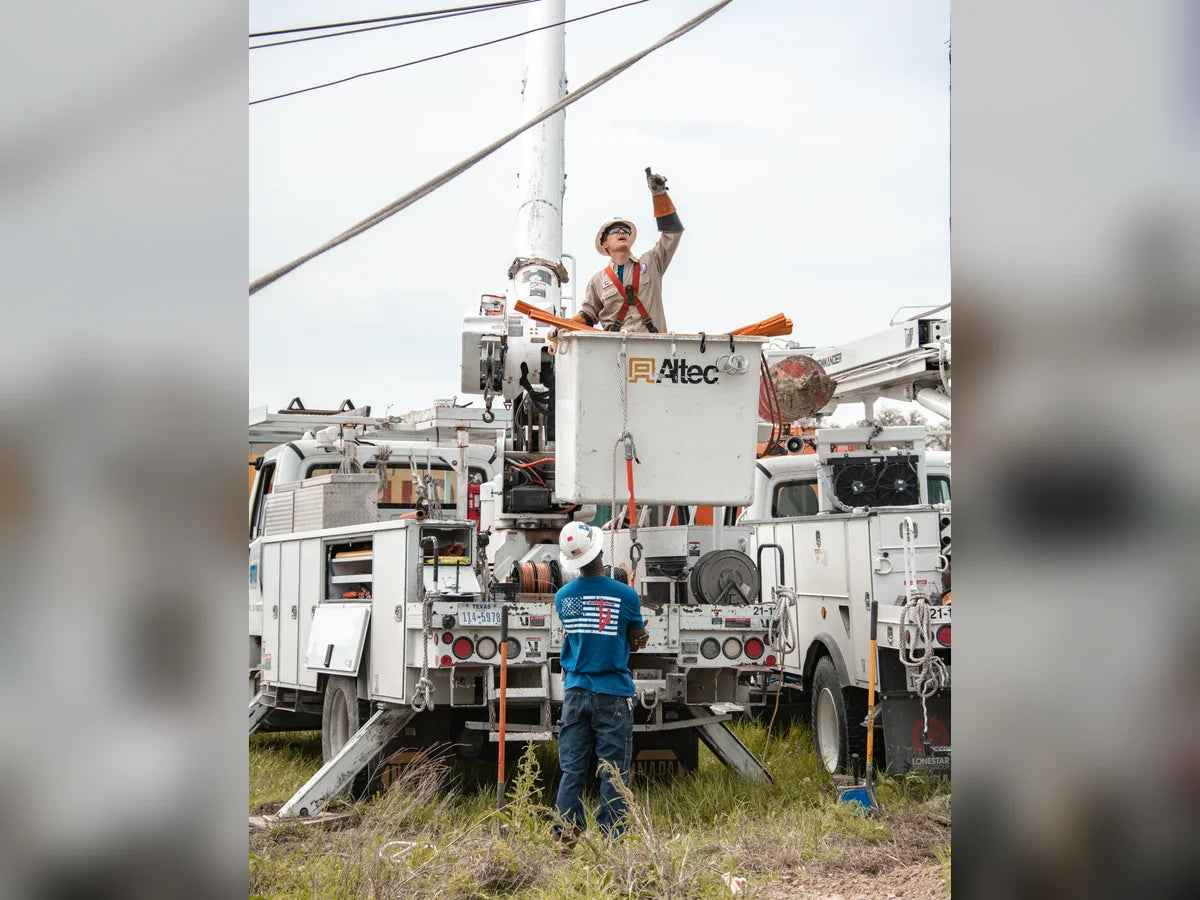
This guide is not meant to replace your official tool list. It is a field-tested look at the tools groundmen apprentices, and journeymen use around the truck, in the bucket, on the pole, and on the ground.
If you are new to the trade, this will help you understand what these tools are, why they matter, and where they fit in real linework.
The Short List
Most groundman and apprentice tool lists start with tools like:
-
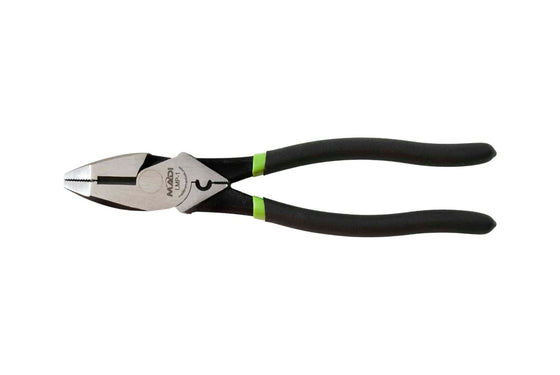
9-inch lineman pliers, often called nines
-
Tongue-and-groove pliers, often called Channel-Locks
-
Skinning knife
-
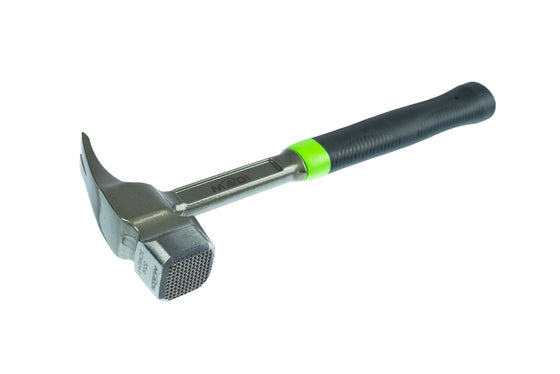
Lineman hammer
-
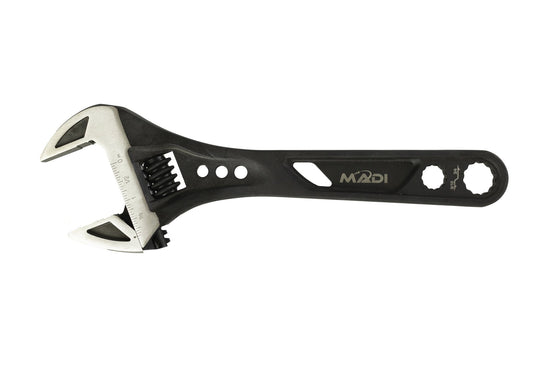
12-inch adjustable crescent wrench
-
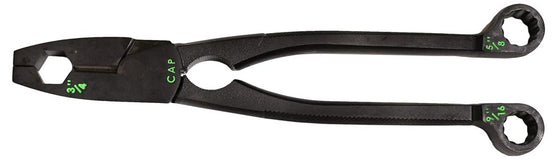
Multi-size lineman wrench
-
Bell-style or ratcheting lineman wrench
-
Flathead screwdriver
-
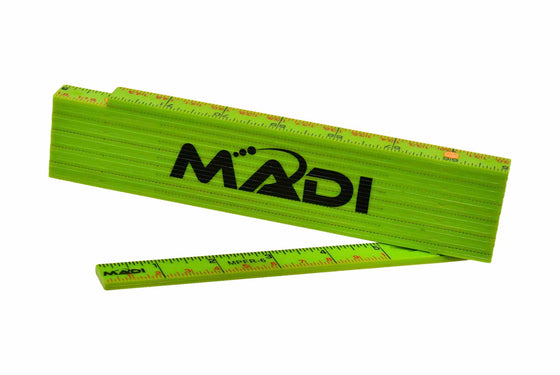
Folding ruler
-
Tool bag/climbing bag/tramping bag
-
Good steel toe work boots
That does not mean you need to buy every specialty tool on day one. It means these are the tool categories that show up again and again because they actually get used.
1. 9-Inch Lineman Pliers
A good pair of 9-inch lineman pliers is one of the first tools most apprentices learn to use. In the trade, you will often hear them called nines.
They are used for gripping, cutting, twisting, pulling, and general hand work. They are not fancy, but they are one of those tools you need to have in the beginning.
2. Tongue-and-Groove Pliers
Tongue-and-groove pliers, often called channel-locks, are another everyday linework tool.
Tongue-and-groove pliers, have channels on them to adjust to different sizes. They are used for tightening and holding nuts and bolts in hard to get to places.
They are simple, but they earn their spot.
3. Skinning Knife or Folding Pocket Utility Knife
A sharp knife is an everyday tool for line workers, and it should be carried at all times! A knife is needed for all kinds of situations: from skinning wire, to cutting rope, to emergency situations like having to cut someone down. Knives are extremely essential for line workers.
If you are working with gloves on, this becomes even more important. A knife that is easy to open barehanded but difficult with gloves on is not really built around linework.
For that kind of work, MADI’s Lockback Quick Change Lineman Knife is built with glove-friendly features like one-handed opening, secure closing, and quick blade changes.
4. Lineman Hammer
A lineman hammer gets used for installing staples, hardware, framing, pole work, and all the small “persuasion” jobs that show up in the field.
Weight and balance matter. Too light, and you fight the tool. Too heavy, and you feel it by the end of the day.
A good hammer should feel right in the hand, strike clean, and hold up to hard use.
5. 12-Inch Adjustable Wrench
A 12-inch adjustable wrench belongs in most line workers’ tool-bags because it gives flexibility across different nut and bolt sizes.
The tradeoff is speed.
You have to adjust it, keep it tight, and reposition it depending on the angle. With gloves on, that can slow you down. Still, it is a useful tool because it covers a lot of different hardware.
The adjustable wrench has its place. It just may not be the fastest option for every job.
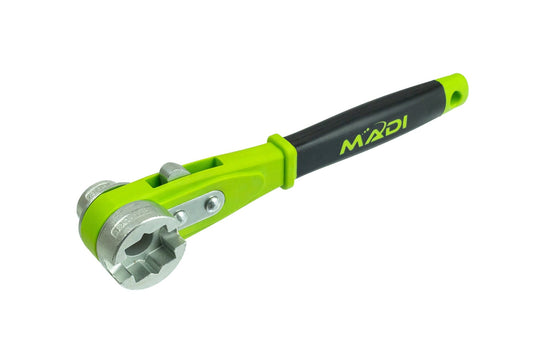
6. Multi-Size Lineman Wrench
A multi-size lineman wrench is built for speed around common line hardware.
Instead of constantly adjusting a wrench or digging around for another tool, a multi-size wrench helps you get on the hardware faster and keep moving. That matters in the bucket, on the pole, and around repetitive work.
For line workers, fewer tool changes can mean less fumbling, less reaching, and a smoother workflow.
This is where the MADI Goat Wrench Plus fits well. It is designed to help linemen work faster around common line hardware without constantly switching tools.
7. Lineman Fuse Pliers
Fuse work is one of those jobs where a purpose-built tool makes sense.
Regular pliers may get you by, but lineman fuse pliers are made for the task. A good set should help with gripping, removing fuse caps, cutting, and working around common fuse hardware.
This is not just another pair of pliers. It is a tool designed around a specific linework problem.
The MADI 10" Lineman Fuse Pliers are built to combine multiple fuse-related functions into one tool, so you are not constantly switching back and forth.
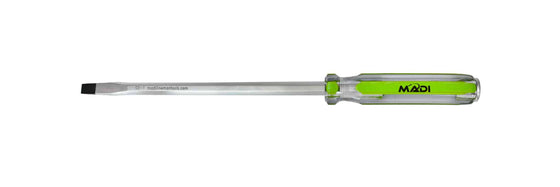
8. Flathead Screwdriver
A flathead screwdriver still earns a place on the list.
Yes, it turns screws. But in the field, it may also get used for scraping, light prying, lining things up, or working around equipment. That does not mean you should abuse every tool you own, but it does mean a flathead solves small problems all day.
Sometimes the simplest tools get used the most. In fact, we designed our Demolition Screwdriver to do more than drive screws; it’s built for the scraping, prying, and other everyday tasks that come up on the job.
9. Stick Rule, Folding Ruler, or Tape Measure
Measurements matter in linework.
A stick rule, folding ruler, or tape measure helps with spacing, layout, framing, and cleaner work. Guessing may seem faster at first, but it can create rework and make the job look sloppy.
If your tool list calls for a specific measuring tool, start there. Then pay attention to what your crew actually uses and why.
10. Tool Bag, Climbing Bag, and Truck Tools
There is a difference between tools you own, tools you carry, and tools that stay on the truck.
A new apprentice may think they need to carry everything all day. Most experienced linemen know better. What you carry depends on the task.
Some tools belong in the bucket. Some belong in the climbing bag. Some stay on the truck until needed.
Learning that difference is part of becoming useful on a crew.
What Should an Apprentice Buy First?
Start with your required list.
If you are in an apprenticeship, check your program or local requirements. If you are working for a utility or contractor, ask what they expect you to provide and what they provide.
A practical starter setup usually includes:
-
9-inch lineman pliers
-
Tongue-and-groove pliers
-
Skinning knife or folding utility knife
-
Electrical tape
-
Hammer
-
12-inch adjustable wrench
-
Stick rule or tape measure
-
Flathead screwdriver
-
Basic tool bag
-
Good boots
From there, add tools as the work demands it.
You do not need to show up with every specialty tool on the market. In a lot of cases, bigger equipment, power tools, rigging, and specialty gear are provided by the contractor or utility.
Your job early on is to have the basics, show up ready, and learn what the crew actually uses.
What Makes a Lineman Tool Worth Carrying?
A tool earns its place when it does one or more of these things:
-
Saves a trip back to the truck
-
Works with gloves on
-
Handles common line hardware
-
Reduces tool changes
-
Holds up to field use
-
Improves control
-
Makes the job safer
-
Solves a real problem in the bucket, on the pole, or on the ground
That is the difference between a regular hand tool and a lineman tool.
Linework is not done on a clean workbench. It is done around poles, trucks, buckets, weather, mud, gloves, hardware, and time pressure. The best tools are designed around that reality.
Final Word
A lineman tool list is not about owning the most tools.
It is about having the right tools, knowing where they belong, and learning when to use them.
If you are new, start with the required list. Get the basics. Watch what the journeymen actually reach for. Pay attention to what stays in the truck, what goes in the bag, and what gets carried every day.
That is how you build a tool setup that makes sense.
At MADI, we build tools for real linework: wrenches, knives, pliers, hammers, hot stick tools, and bucket accessories designed around the way linemen actually work.